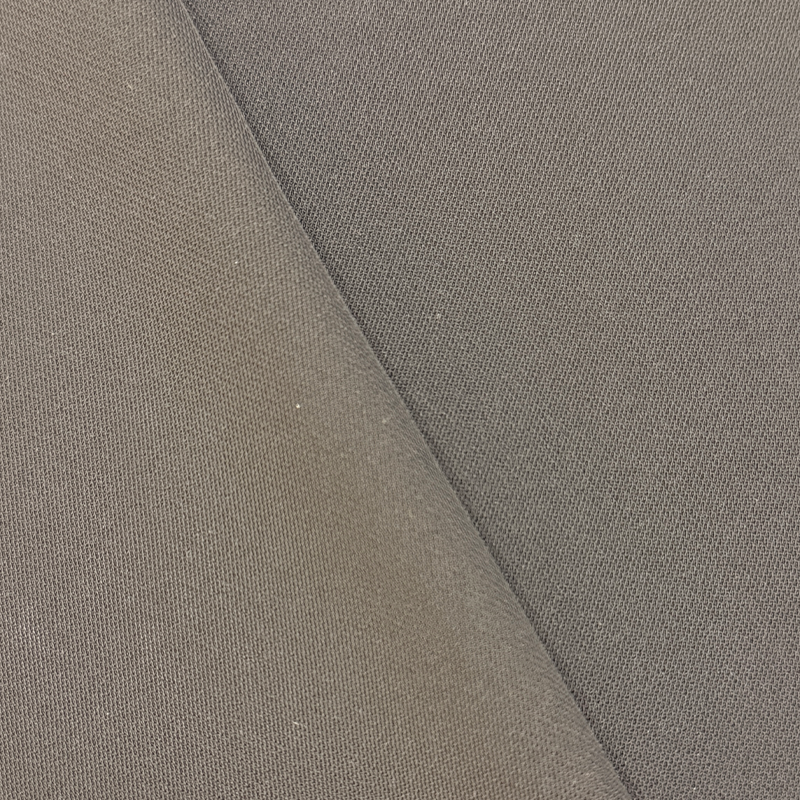
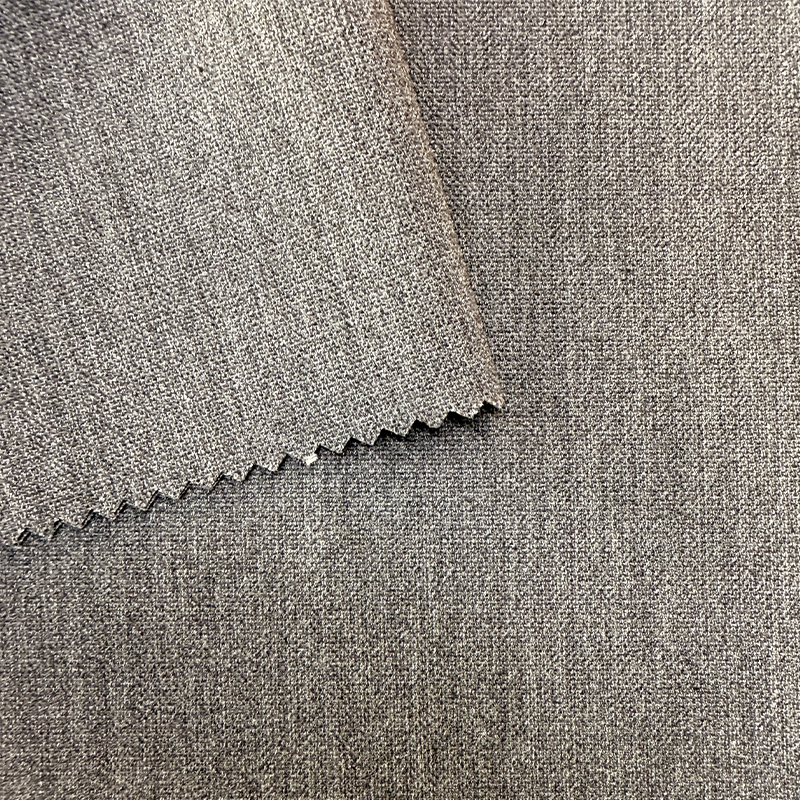
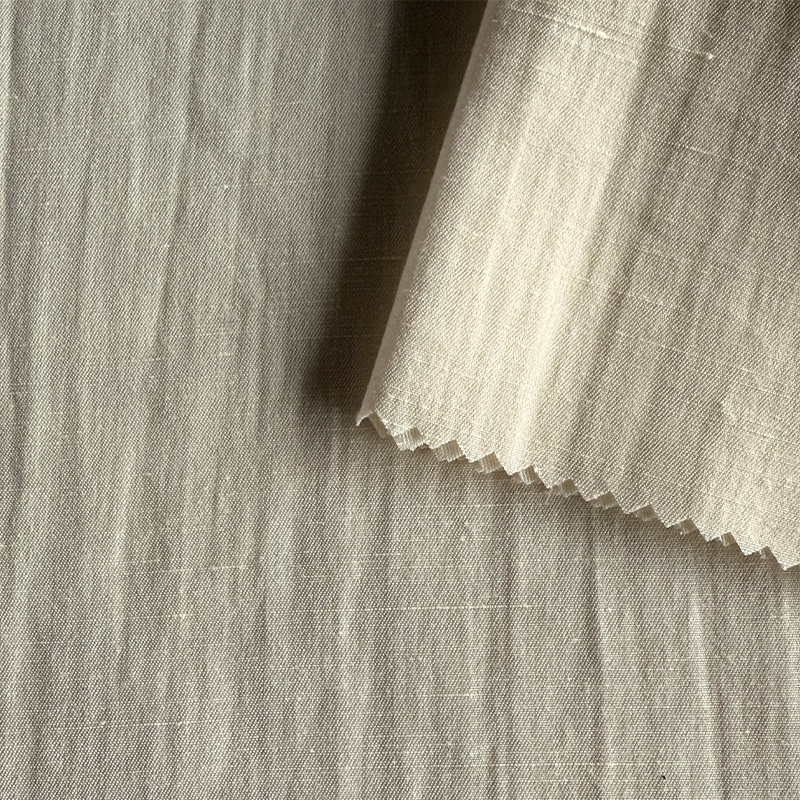
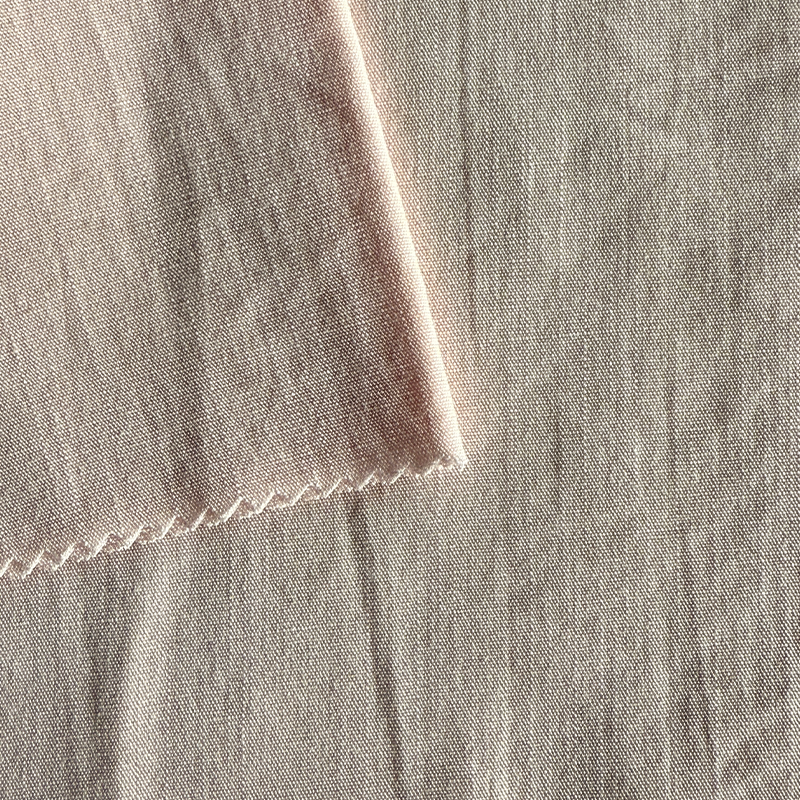
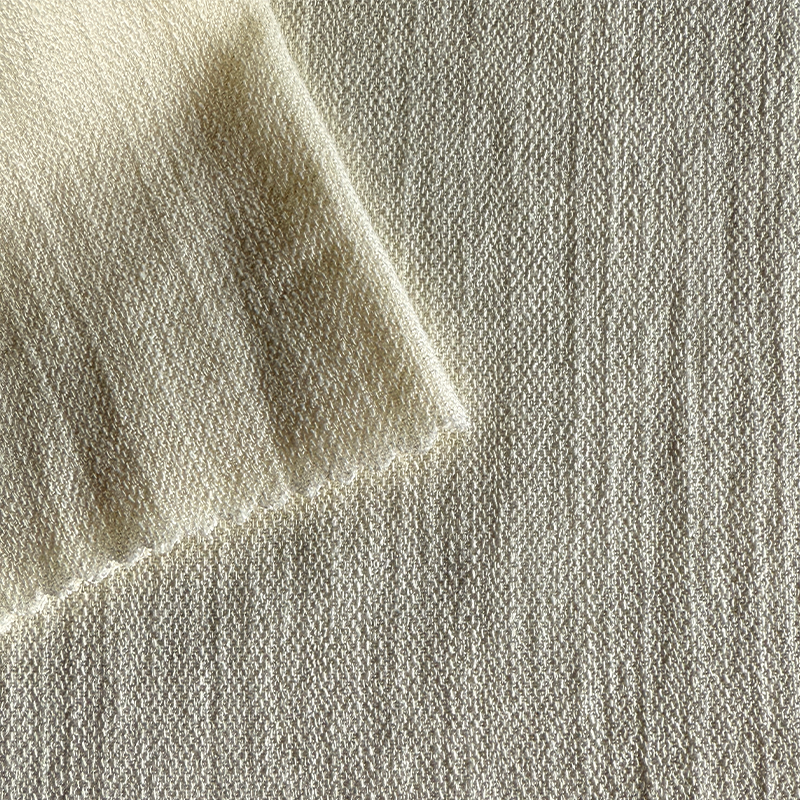
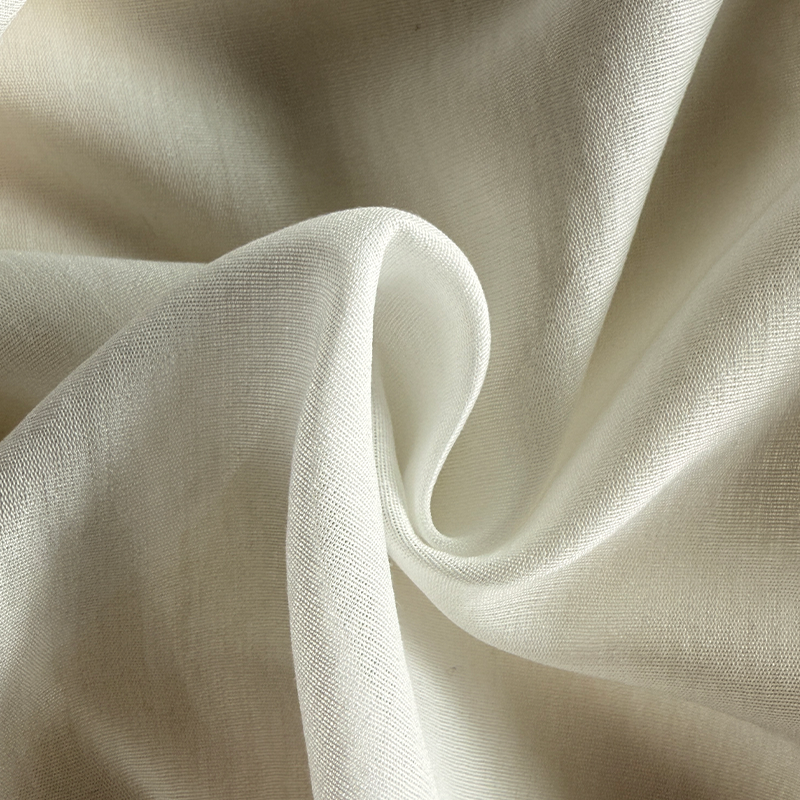
คอลเลกชันผ้าเครื่องแต่งกายที่สร้างขึ้นสำหรับการจัดหาเสื้อผ้าโดยทั่วไปครอบคลุมห้าประเภทหลัก - ผ้าทอ , ผ้าถัก , พิมพ์และผ้าพิเศษ , ผ้าที่ยั่งยืน และ เส้นด้ายวัตถุดิบ . จุดเริ่มต้นที่ถูกต้องคือการจับคู่โครงสร้างผ้ากับการใช้งานขั้นสุดท้ายของเสื้อผ้า ก่อนที่จะเปรียบเทียบผิวสำเร็จหรือลวดลาย ผ้าทอเหมาะกับเสื้อผ้าที่มีโครงสร้างซึ่งการรักษารูปร่างเป็นสิ่งสำคัญ ผ้าถักเหมาะกับเครื่องแต่งกายที่เน้นความยืดและสบาย การพิมพ์เพิ่มความแตกต่างด้านการมองเห็น ผ้าที่ยั่งยืนตอบสนองความต้องการในการจัดหาเส้นใย และเส้นด้ายวัตถุดิบเป็นรากฐานของความสอดคล้องกันในคอลเลกชันทั้งหมด
ห้าหมวดหมู่หลัก · การแบ่งปันแบบสัมพัทธ์
แผนภูมิด้านบนแสดงให้เห็นถึงการแสดงความสัมพันธ์โดยทั่วไปของห้าหมวดหมู่ภายในคอลเลกชั่นผ้าเครื่องแต่งกายทั่วไป ผ้าทอและผ้าถักมักมีส่วนแบ่งมากที่สุด เนื่องจากครอบคลุมประเภทเสื้อผ้าส่วนใหญ่ ส่วนการพิมพ์ ความยั่งยืน และเส้นด้ายแตกต่างกันไปขึ้นอยู่กับตำแหน่งแบรนด์และกลยุทธ์การจัดหา ช่วยให้ผู้ซื้อเข้าใจน้ำหนักของแต่ละหมวดหมู่ได้อย่างรวดเร็วก่อนที่จะเจาะลึกข้อกำหนดโดยละเอียด
โครงสร้างผ้าทอและการประยุกต์ใช้เสื้อผ้า
ผ้าทอถูกสร้างขึ้นโดยการพันเส้นด้ายยืนและเส้นด้ายพุ่งเข้าด้วยกันเป็นมุมฉากบนเครื่องทอผ้า ทำให้เกิดโครงสร้างที่มั่นคงและยืดตัวได้จำกัด เว้นแต่จะผสมอีลาสเทนหรือเส้นด้ายยืดที่คล้ายกันเข้าด้วยกัน โครงสร้างแบบอินเทอร์เลซนี้ทำให้ผ้าทอมีมิติที่มั่นคงแข็งแรง ทำให้เป็นตัวเลือกทั่วไปสำหรับเสื้อเชิ้ต เครื่องแต่งกายตัวนอก กางเกงขายาว และแผงที่มีโครงสร้างซึ่งผ้าจำเป็นต้องคงรูปทรงที่กำหนดไว้ผ่านการสึกหรอและการซัก
ภายในคอลเลกชัน ตัวเลือกการทอมีตั้งแต่เสื้อเชิ้ตผ้าทอธรรมดาน้ำหนักเบาไปจนถึงกางเกงลายทแยง และเสื้อผ้าตัวนอกที่มีน้ำหนักมากขึ้น ความหนาแน่นของการทอ จำนวนเส้นด้าย และการตกแต่งขั้นสุดท้ายร่วมกันจะกำหนดผ้าเดรป ความทึบ และสัมผัสของมือ ผู้ซื้อมักจะตรวจสอบปัจจัยทั้งสามนี้ร่วมกัน แทนที่จะตรวจสอบข้อกำหนดใดๆ แยกกัน
ประเภทลายทอทั่วไปมีส่วนแบ่งในช่วงการทอ
การกระจายโดยประมาณของประเภทลายทอภายในช่วงผ้าทอทั่วไปจะแสดงไว้ที่นี่เป็นสัดส่วนสัมพัทธ์ โดยทั่วไปแล้วผ้าทอธรรมดาจะมีส่วนแบ่งมากที่สุด เนื่องจากเป็นโครงสร้างที่หลากหลายที่สุดสำหรับการผลิตเสื้อเชิ้ต ผ้าซับใน และเสื้อผ้าที่มีน้ำหนักเบา ผ้าลายทแยงตามมาติดๆ เนื่องจากมีการใช้งานทั่วไปกับกางเกงและชุดทำงาน โดยที่จั๊มพ์แนวทแยงช่วยเพิ่มความทนทานต่อการเสียดสี ผ้าซาตินใช้สัดส่วนที่น้อยกว่า ซึ่งปกติแล้วจะสงวนไว้สำหรับเสื้อผ้าที่ต้องการพื้นผิวที่เรียบกว่าและเป็นมันเงามากกว่า แผนภูมินี้ช่วยให้ผู้ซื้อเข้าใจน้ำหนักทั่วไปภายในคอลเลกชันผ้าทอ ไม่ใช่แค็ตตาล็อกซัพพลายเออร์แบบตายตัว
ผ้าถักยืดและคุณสมบัติสบาย
ผ้าถักเกิดจากการพันเส้นด้ายต่อเนื่องเดี่ยวหรือชุดเส้นด้ายเป็นห่วงที่เชื่อมต่อกัน ซึ่งช่วยให้ผ้ายืดและคืนตัวได้มากกว่าโครงสร้างแบบทอ โครงสร้างแบบห่วงคือเหตุผลที่ผ้าถักสอดคล้องกับการเคลื่อนไหวของร่างกายอย่างใกล้ชิด ด้วยเหตุนี้จึงยังคงเป็นตัวเลือกมาตรฐานสำหรับเสื้อยืด ชุดออกกำลังกาย ชุดชั้นใน และเครื่องแต่งกายอื่นๆ ที่ความสบายและอิสระในการเคลื่อนไหวมีความสำคัญมากกว่าการรักษารูปร่างที่แข็งแรง
โครงสร้างการถักทั่วไป ได้แก่ ผ้าซิงเกิลเจอร์ซีย์ ผ้าถักริบ ผ้าอินเทอร์ล็อค และผ้าฟลีซถักด้านหลัง โดยแต่ละผ้าให้น้ำหนักที่สมดุล การคืนตัวของเนื้อผ้า และพื้นผิวที่แตกต่างกัน ตามข้อมูลอ้างอิงทางวิศวกรรมสิ่งทอทั่วไป ความหนาแน่นของห่วงและความตึงของเส้นด้ายในระหว่างการถักเป็นตัวแปรสองตัวที่เชื่อมโยงโดยตรงมากที่สุดกับปริมาณผ้าที่ถักจะยืดออก และจะคืนรูปทรงเดิมได้ดีเพียงใดหลังจากสวมใส่ซ้ำหลายครั้ง
คุณลักษณะของผ้าถัก · เสื้อเดี่ยวน้ำหนักปานกลาง
แผนภูมิเรดาร์สรุปโปรไฟล์ประสิทธิภาพโดยทั่วไปของผ้าถักซิงเกิลเจอร์ซีย์น้ำหนักปานกลางจากคุณลักษณะทั้งห้าประการ คะแนนความยืดหยุ่นและความนุ่มสูงสุดสำหรับเสื้อซิงเกิลมาตรฐาน สอดคล้องกับสาเหตุที่ใช้โครงสร้างนี้กันอย่างแพร่หลายกับเสื้อยืดและเสื้อลำลองในชีวิตประจำวัน การคืนสภาพจะขึ้นอยู่กับองค์ประกอบของเส้นด้ายและความตึงในการถักเป็นอย่างมาก ดังนั้นการผสมผสานกับอีลาสเทนจึงทำให้มิตินี้สูงขึ้น ความทนทานอยู่ในระดับปานกลางเมื่อเทียบกับโครงสร้างที่ถักทอแน่นกว่า เนื่องจากห่วงที่หลวมกว่าอาจเกิดการกีดขวางได้ง่ายกว่า นี่เป็นรูปแบบอ้างอิงทั่วไป ไม่ใช่ผลการทดสอบที่ได้รับการรับรองสำหรับชุดใดชุดหนึ่ง
| โครงสร้างการถัก | ยืดกล้ามเนื้อ Level | การใช้งานทั่วไป |
|---|---|---|
| เสื้อเดี่ยว | ปานกลาง | เสื้อยืด เสื้อลำลอง |
| ซี่โครงถัก | สูง | ข้อมือ, เสื้อผ้าเข้ารูป |
| ลูกโซ่ | ปานกลาง | การแบ่งชั้นชิ้นส่วน |
| ผ้าฟลีซกลับถัก | ต่ำ to moderate | เสื้อสเวตเตอร์ซับในแจ๊กเก็ต |
พิมพ์และผ้าพิเศษเพื่อสร้างความแตกต่างทางสายตา
พิมพ์และผ้าพิเศษครอบคลุมการรักษาพื้นผิวที่หลากหลายที่ใช้กับผ้าทอหรือผ้าถักพื้นฐาน รวมถึงการพิมพ์ดิจิทัล การพิมพ์สกรีนแบบหมุน ลวดลายแจ็คการ์ด และการตกแต่งพิเศษ เช่น การเคลือบหรือการนูน คุณภาพของผ้าพื้นฐานยังคงเป็นตัวกำหนดประสิทธิภาพของเสื้อผ้าขั้นสุดท้าย เนื่องจากการพิมพ์และการดูแลแบบพิเศษจะอยู่ด้านบนของโครงสร้างทอหรือถักที่อยู่ด้านล่าง แทนที่จะแทนที่คุณสมบัติทางกลหลัก
การพิมพ์แบบดิจิทัลกลายเป็นเรื่องปกติมากขึ้นในคอลเลกชั่นผ้าเครื่องแต่งกาย เนื่องจากช่วยให้ดำเนินการผลิตสั้นลงและจัดวางสีได้แม่นยำยิ่งขึ้น เมื่อเทียบกับวิธีการสกรีนแบบหมุนแบบดั้งเดิม ซึ่งโดยทั่วไปต้องใช้ปริมาณขั้นต่ำที่มากขึ้นจึงจะคุ้มค่า ผู้ซื้อที่เลือกพิมพ์และผ้าพิเศษมักจะยืนยันถึงความคงทนของสีและความทนทานของการเคลือบควบคู่ไปกับการออกแบบที่มองเห็นได้
เทคนิคการพิมพ์และผ้าพิเศษทั่วไป
- การพิมพ์ดิจิทัลสำหรับการออกแบบระยะสั้นและความซับซ้อนของสีสูง
- การพิมพ์สกรีนแบบหมุนสำหรับรูปแบบการทำซ้ำที่มีปริมาณมากขึ้น
- ผ้าทอแจ๊คการ์ดสำหรับพื้นผิวที่มีลวดลายแบบทอ
- เคลือบและเคลือบลามิเนตเพื่อให้พื้นผิวใช้งานได้จริง
แนวโน้มการจัดหาผ้าอย่างยั่งยืนในคอลเลกชั่นเครื่องแต่งกาย
ผ้าที่ยั่งยืนในคอลเลกชั่นเครื่องแต่งกายโดยทั่วไปหมายถึงวัสดุที่ผลิตจากเส้นใยรีไซเคิล ฝ้ายที่ปลูกแบบออร์แกนิก หรือเส้นใยที่ผ่านกรรมวิธีโดยใช้น้ำและสารเคมีลดลงเมื่อเปรียบเทียบกับวิธีการทั่วไป แหล่งกำเนิดไฟเบอร์และวิธีการแปรรูปเป็นสองปัจจัยที่ใช้กันมากที่สุดในการจำแนกประเภทผ้าว่ามีความยั่งยืน และ buyers typically request supporting documentation on these two points when evaluating sustainable options.
การรายงานของอุตสาหกรรมจากองค์กรต่างๆ เช่น Textile Exchange ได้ติดตามการเติบโตอย่างต่อเนื่องเมื่อเทียบเป็นรายปีในการใช้โพลีเอสเตอร์รีไซเคิลและฝ้ายออร์แกนิกทั่วทั้งห่วงโซ่อุปทานเครื่องแต่งกายทั่วโลก ซึ่งสะท้อนให้เห็นถึงความมุ่งมั่นในระดับแบรนด์ที่กว้างขึ้นในการลดการใช้เส้นใยบริสุทธิ์ แนวโน้มนี้ได้ขยายไปสู่คอลเลกชันผ้าที่รวมปริมาณเส้นใยที่ยั่งยืนเข้ากับโครงสร้างการทอหรือถักแบบมาตรฐาน แทนที่จะแยกความยั่งยืนออกเป็นหมวดหมู่ผลิตภัณฑ์แยกต่างหาก
รูปแบบการเติบโตของคำขอผ้าไฟเบอร์ที่ยั่งยืน (2019-2024)
แนวโน้มที่สูงขึ้นสะท้อนให้เห็นถึงความสนใจของผู้ซื้อที่เพิ่มขึ้นในด้านปริมาณเส้นใยที่ยั่งยืนภายในคอลเลกชั่นเครื่องแต่งกายตั้งแต่ปี 2562 ถึง 2567 โดยอิงจากรูปแบบการนำไปใช้อย่างกว้างขวางที่อ้างอิงในรายงานอุตสาหกรรม (เช่น การแลกเปลี่ยนสิ่งทอ) กลุ่มผลิตภัณฑ์ที่เพิ่มขึ้นนี้แสดงให้เห็นถึงการมุ่งเน้นในระดับแบรนด์ที่เพิ่มขึ้นไปที่โพลีเอสเตอร์รีไซเคิล ผ้าฝ้ายออร์แกนิก และวิธีการประมวลผลที่ลดลงสำหรับทั้งกลุ่มผลิตภัณฑ์แบบทอและแบบถัก แนวโน้มนี้สอดคล้องกับความพยายามของอุตสาหกรรมเครื่องแต่งกายในวงกว้างในการกระจายการจัดหาเส้นใยออกจากวัสดุบริสุทธิ์ทั้งหมด แผนภูมิแสดงรูปแบบทิศทางแทนที่จะเป็นตัวเลขปริมาณที่แน่นอน เนื่องจากอัตราการนำไปใช้จะแตกต่างกันไปอย่างมากตามประเภทไฟเบอร์ ภูมิภาค และนโยบายแบรนด์แต่ละแบรนด์ คอลเลกชันที่ผสมผสานตัวเลือกเส้นใยที่ยั่งยืนควบคู่ไปกับโครงสร้างแบบเดิมๆ ได้กลายเป็นมาตรฐานที่เพิ่มขึ้นมากกว่าการนำเสนอเฉพาะกลุ่ม
เส้นด้ายวัตถุดิบและผลกระทบต่อผ้าสำเร็จรูป
เส้นด้ายวัตถุดิบเป็นปัจจัยพื้นฐานสำหรับผ้าทุกผืนในคอลเลกชัน และองค์ประกอบของเส้นใย ระดับการบิด และการนับเส้นด้ายโดยตรงส่งผลต่อความแข็งแรง ความรู้สึกของมือ และรูปลักษณ์ของผ้าทอหรือผ้าถักที่เสร็จแล้ว ความสม่ำเสมอของเส้นด้ายมีผลโดยตรงและสามารถวัดผลต่อคุณภาพของผ้าได้ เนื่องจากความหนาหรือการบิดของเส้นด้ายไม่สม่ำเสมอสามารถสร้างความผิดปกติที่มองเห็นได้บนพื้นผิวผ้าสำเร็จรูป ไม่ว่าหลังจากนั้นจะมีการควบคุมกระบวนการทอหรือถักด้วยความระมัดระวังเพียงใด
ประเภทเส้นด้ายวัตถุดิบทั่วไป ได้แก่ เส้นด้ายฝ้ายหวี เส้นด้ายฝ้ายสาง เส้นด้ายเส้นใยโพลีเอสเตอร์ และเส้นด้ายผสมต่างๆ ที่ผสมผสานเส้นใยธรรมชาติและเส้นใยสังเคราะห์ ผู้ซื้อที่ตรวจสอบคอลเลกชั่นเครื่องแต่งกายมักจะติดตามคำถามเกี่ยวกับประสิทธิภาพของผ้ากลับไปยังข้อกำหนดเฉพาะของเส้นด้ายวัตถุดิบก่อน เนื่องจากคุณสมบัติของผ้าขั้นปลายจำนวนมากมาจากการตัดสินใจเกี่ยวกับระดับเส้นด้ายก่อนที่จะเริ่มทอหรือถัก
| เส้นด้าย Type | ลักษณะสำคัญ | แอปพลิเคชันทั่วไป |
|---|---|---|
| ผ้าฝ้ายหวี | เส้นใยเรียบและหลวมน้อยลง | เสื้อเชิ้ตและเสื้อถักระดับพรีเมียม |
| ปลิวว่อนผ้าฝ้าย | มีพื้นผิว คุ้มราคา | ผ้าชุดลำลอง |
| เส้นใยโพลีเอสเตอร์ | แข็งแกร่งสม่ำเสมอ | เสื้อตัวนอกและผ้าทางเทคนิค |
| เส้นด้ายผสม | คุณสมบัติที่สมดุล | เสื้อผ้าหลากหลาย |
การเลือกคอลเลกชั่นผ้าเครื่องแต่งกาย
การเลือกระหว่างผ้าทอ ถัก พิมพ์ ยั่งยืน และเส้นด้ายภายในคอลเลกชัน โดยทั่วไปจะเริ่มต้นด้วยการทำงานของเสื้อผ้ามากกว่ารูปลักษณ์ภายนอก การจับคู่ประเภทผ้ากับการใช้งานขั้นสุดท้ายของเสื้อผ้ายังคงเป็นจุดเริ่มต้นที่เชื่อถือได้มากที่สุด เนื่องจากผ้าทอสนับสนุนโครงสร้างเงา ผ้าถักสนับสนุนการยืดและความสบาย การพิมพ์สนับสนุนการสร้างแบรนด์ด้วยภาพ และการสนับสนุนเป้าหมายการจัดหาเส้นใยอย่างยั่งยืนในโครงสร้างฐานเดียวกัน
ประสิทธิภาพของหมวดหมู่ · คะแนนสัมพัทธ์
แผนภูมิแท่งแนวนอนนี้ให้การเปรียบเทียบโดยเปรียบเทียบว่าแต่ละหมวดหมู่โดยทั่วไปให้คะแนนอย่างไรจากตัวชี้วัดที่รวมกันในด้านความคล่องตัว ความง่ายในการผลิต และความต้องการของตลาด ผ้าทออยู่ในอันดับสูงสุดเนื่องจากมีการใช้งานอย่างกว้างขวางกับเสื้อผ้าที่มีโครงสร้างและการทอที่หลากหลาย ผ้าถักติดตามอย่างใกล้ชิดเนื่องจากมีความโดดเด่นในด้านชุดลำลองและชุดแอคทีฟ การพิมพ์และความยั่งยืนครอบครองช่วงกลาง สะท้อนถึงบทบาทเฉพาะทางแต่กำลังเติบโต แม้ว่าเส้นด้ายจะเป็นพื้นฐาน แต่ก็มักจะถูกมองว่าเป็นข้อมูลนำเข้ามากกว่าหมวดหมู่ที่เสร็จแล้ว ดังนั้นคะแนนสัมพัทธ์จึงต่ำกว่า ข้อมูลเหล่านี้เป็นข้อมูลเชิงลึกที่เป็นแนวทางเพื่อเป็นแนวทางในการตัดสินใจจัดหาเบื้องต้น ไม่ใช่การให้คะแนนประสิทธิภาพโดยสมบูรณ์
| เป้าหมายเสื้อผ้า | หมวดหมู่ผ้าที่แนะนำ |
|---|---|
| การรักษารูปทรงที่มีโครงสร้าง | ทอ |
| ยืดกล้ามเนื้อ & body‑conforming fit | ถัก |
| การสร้างแบรนด์หรือเน้นรูปแบบด้วยภาพ | พิมพ์ & Special |
| เป้าหมายการจัดหาและการแปรรูปไฟเบอร์ | ยั่งยืน |
| ความสม่ำเสมอในคอลเลกชันทั้งหมด | การควบคุมเส้นด้ายวัตถุดิบ |
เกี่ยวกับ Shaoxing Echoes Textile Co Ltd
Shaoxing Echoes Textile Co Ltd เป็นบริษัทนำเข้าและส่งออกผ้าครบวงจรที่ผสานรวมการวิจัยและพัฒนา การผลิต และการขายไว้ภายใต้การดำเนินงานแห่งเดียว ด้วยความเชี่ยวชาญอย่างลึกซึ้งในอุตสาหกรรมสิ่งทอมาหลายปี บริษัทได้ใช้ประโยชน์จากฐานการผลิตหลักสองแห่ง ได้แก่ โรงงานผ้าสีเทาเฉพาะทางขนาด 80 เอเคอร์ และโรงงานเส้นด้ายฝ้ายที่ทันสมัยขนาด 80 เอเคอร์ เพื่อให้เกิดการควบคุมห่วงโซ่อุตสาหกรรมเต็มรูปแบบตั้งแต่เส้นด้ายดิบไปจนถึงผ้าเครื่องแต่งกายสำเร็จรูป
สร้างขึ้นจากการอุทิศตนอย่างแน่วแน่ต่อความซื่อสัตย์และปรัชญาที่คำนึงถึงคุณภาพเป็นอันดับแรก Shaoxing Echoes Textile Co Ltd ดำเนินธุรกิจในฐานะบริษัทรวบรวมผ้าเครื่องแต่งกายในจีน ซึ่งสนับสนุนการพัฒนาและจัดหาตามสั่งสำหรับประเภทผ้าทอ ผ้าถัก พิมพ์ และผ้าพิเศษและยั่งยืน โดยมีเป้าหมายในการวางตำแหน่งตัวเองเป็นพันธมิตรระดับโลกที่เชื่อถือได้และไว้วางใจได้ตลอดห่วงโซ่อุปทานสิ่งทอ
คำถามที่พบบ่อย
สิ่งที่รวมอยู่ในคอลเลกชันผ้าเครื่องแต่งกายทั่วไปมีอะไรบ้าง?
คอลเลกชันผ้าเครื่องแต่งกายโดยทั่วไปประกอบด้วยผ้าทอ ผ้าถัก ผ้าพิมพ์และผ้าพิเศษ ผ้ายั่งยืน และเส้นด้ายวัตถุดิบที่ใช้ในการผลิตผ้าประเภทเหล่านี้ ซึ่งครอบคลุมการใช้งานเสื้อผ้าที่หลากหลาย
ผ้าทอแตกต่างจากผ้าถักอย่างไร?
ผ้าทอเกิดขึ้นจากเส้นด้ายที่พันกันเป็นมุมฉาก ทำให้เกิดโครงสร้างที่มั่นคงโดยมีการยืดตัวตามธรรมชาติอย่างจำกัด ในขณะที่ผ้าถักนั้นเกิดจากเส้นด้ายที่พันกัน ทำให้ยืดได้มากขึ้นและเข้ากันกับลำตัวมากขึ้น
อะไรเป็นตัวกำหนดว่าผ้ามีคุณสมบัติที่ยั่งยืนหรือไม่?
โดยทั่วไปการจำแนกประเภทผ้าที่ยั่งยืนขึ้นอยู่กับแหล่งกำเนิดของเส้นใย (เช่น วัสดุรีไซเคิลหรือปลูกแบบออร์แกนิก) พร้อมกับวิธีการประมวลผลที่ช่วยลดการใช้น้ำและสารเคมีเมื่อเปรียบเทียบกับวิธีการผลิตแบบทั่วไป
เหตุใดคุณภาพของเส้นด้ายวัตถุดิบจึงมีความสำคัญสำหรับผ้าสำเร็จรูป?
คุณภาพของเส้นด้ายวัตถุดิบส่งผลโดยตรงต่อความแข็งแรงของผ้า ความเรียบของพื้นผิว และความรู้สึกของมือ เนื่องจากความไม่สอดคล้องกันในขั้นตอนเส้นด้ายมีแนวโน้มที่จะส่งผ่านไปยังผ้าทอหรือผ้าถักที่เสร็จแล้ว โดยไม่คำนึงถึงการประมวลผลขั้นปลายน้ำ
สามารถพิมพ์และผ้าพิเศษทั้งฐานทอและฐานถักได้หรือไม่?
ใช่ การพิมพ์และการประมวลผลพิเศษ เช่น การพิมพ์ดิจิทัล การพิมพ์สกรีน และการเคลือบเสร็จสิ้น โดยทั่วไปสามารถนำไปใช้กับผ้าฐานแบบทอหรือแบบถัก ขึ้นอยู่กับผลลัพธ์ของเสื้อผ้าและน้ำหนักผ้าที่ต้องการ
Shaoxing Echoes Textile รองรับการพัฒนาคอลเลกชันผ้าเครื่องแต่งกายตามสั่งหรือไม่
Shaoxing Echoes Textile Co Ltd ดำเนินธุรกิจฐานการผลิตผ้าสีเทาและเส้นด้ายฝ้ายโดยเฉพาะ โดยสนับสนุนการพัฒนาคอลเลกชันผ้าเครื่องแต่งกายตามสั่งสำหรับประเภทผ้าทอ ผ้าถัก พิมพ์ และผ้าพิเศษและยั่งยืนสำหรับพันธมิตรทางธุรกิจ